Gold Coast sits on a mix of Quaternary alluvium and coastal sands, with the water table often sitting at 1.5–3 m depth near the shoreline. That shallow groundwater makes exploratory test pits the preferred method for visual soil classification before any foundation design. We dig pits using a tracked excavator, reaching up to 4.5 m depth to expose the actual stratigraphy. Each log follows AS 1726, recording moisture, colour, consistency and any organic layers. For deeper profiling we combine this with cone penetration testing to capture continuous resistance data where pits can't reach.
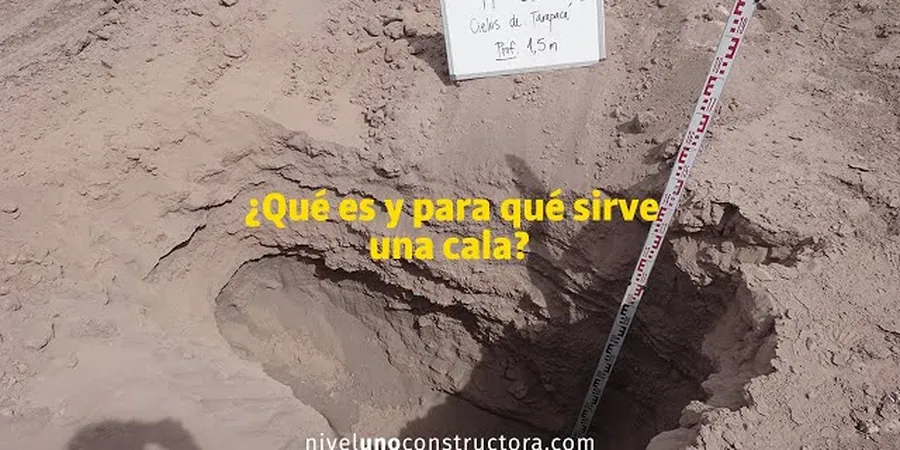
A single test pit reveals more about soil fabric than ten boreholes: you see root holes, slickensides and gravel lenses that logs miss.
Methodology and scope
Local considerations
Gold Coast's rapid growth since the 1980s pushed developments onto former wetlands and creek flats. Many early subdivisions backfilled with demolition rubble and uncontrolled fill. An exploratory test pit is the only way to confirm whether that fill is competent or hiding voids, old stumps, or soft organic pockets. Missing those zones leads to differential settlement – a common claim in local insurance records. We've logged pits on the Pimpama floodplain where fill depth exceeded 3 m. A quick pit saved the client from a raft slab that would have cracked within two years.
Explanatory video
Applicable standards
AS 1726 – Geotechnical site investigations, AS 1289.5.1.1 – Compaction control, AS 4678 – Earth retaining structures, AS 1726 – Description and identification of soils
Associated technical services
In-Pit Density Testing
Using the sand-cone method (AS 1289.5.3.1) directly in the pit floor to verify compaction of engineered fill before sign-off. Results same day.
Standpipe Installation
Installing a slotted PVC standpipe at the pit base to monitor groundwater fluctuations over weeks. Essential for sites on the Nerang River alluvium.
Typical parameters
Frequently asked questions
How deep can a test pit go on the Gold Coast?
Typically 3–4.5 m with a medium excavator. On the coastal strip the water table stops us around 2.5 m unless we dewater. Deeper pits need benching or shoring per AS 1726.
What does an exploratory test pit cost in this region?
A standard pit to 3 m depth with logging, sampling and backfill ranges between AU$820 and AU$1,120. Volume discounts apply for multi-pit projects.
Can you dig a test pit near existing services?
Yes, but we require Dial Before You Dig clearance first. We mark all known utilities and hand-dig to 0.5 m before the excavator starts. No exceptions.